
Milk Summit focused on the future of the dairy sector
4 min read

As part of the celebrations of Grupo Lactogal’s 30th Anniversary, the 2026 Milk Summit brought together national and international experts, as well as political decision-makers, who pointed out disruptive paths for the industry, in a meeting that consolidated the image of a dynamic, scientifically advanced sector that is essential for Portugal’s food, social and economic future. A sector ready to innovate and lead in the next decade.
“Above all, we wanted this to be a moment of serious reflection on the future. The sector is undergoing a profound transformation and this summit was born from the desire to anticipate trends and build a vision for the future, together.” José Marques, Chairman of the Board of Directors of Grupo Lactogal.
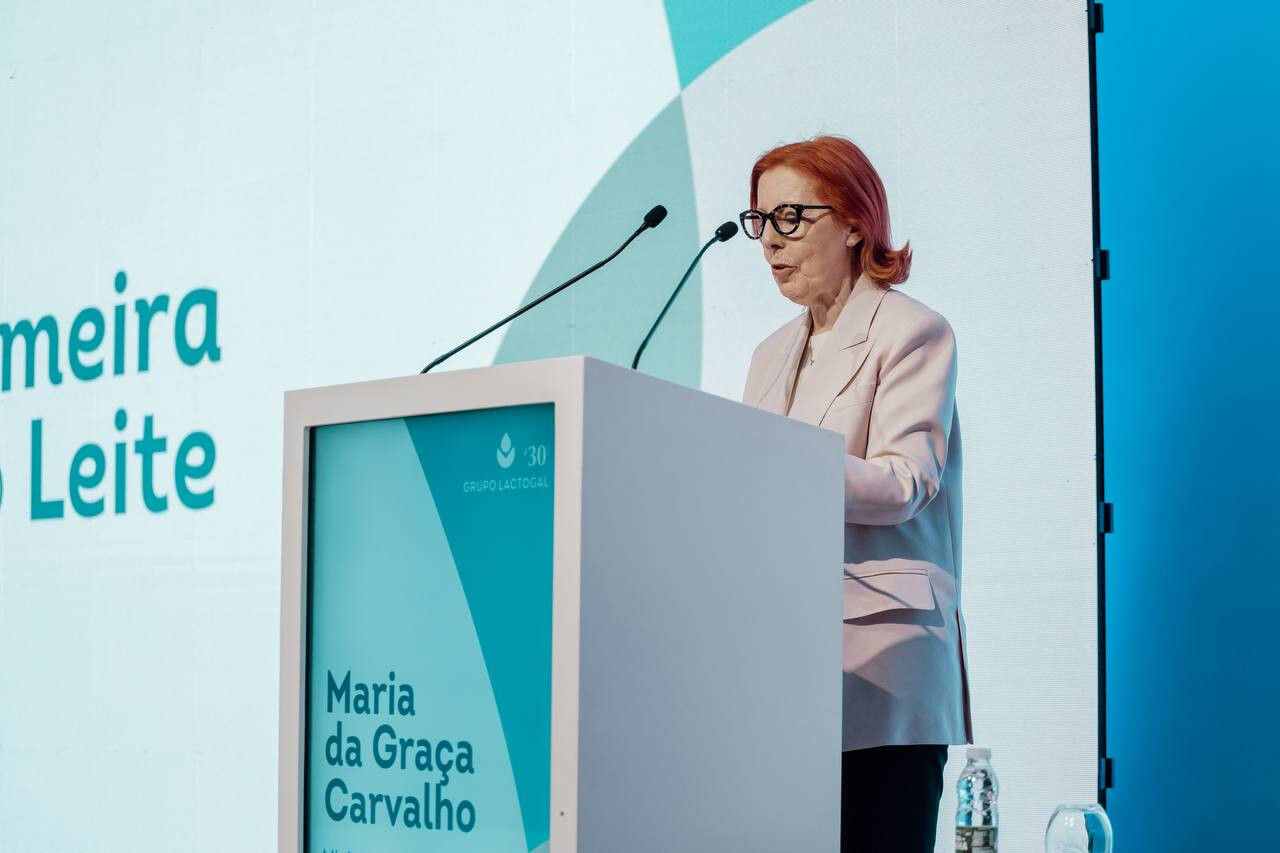 “We can state that the dairy sector is structural in the country. And not only because it represents an annual value of more than one billion euros, but because it has a direct impact on the vitality of territories, land occupation, social cohesion and our food sovereignty and security.”
Maria da Graça Carvalho, Minister for Environment and Energy.
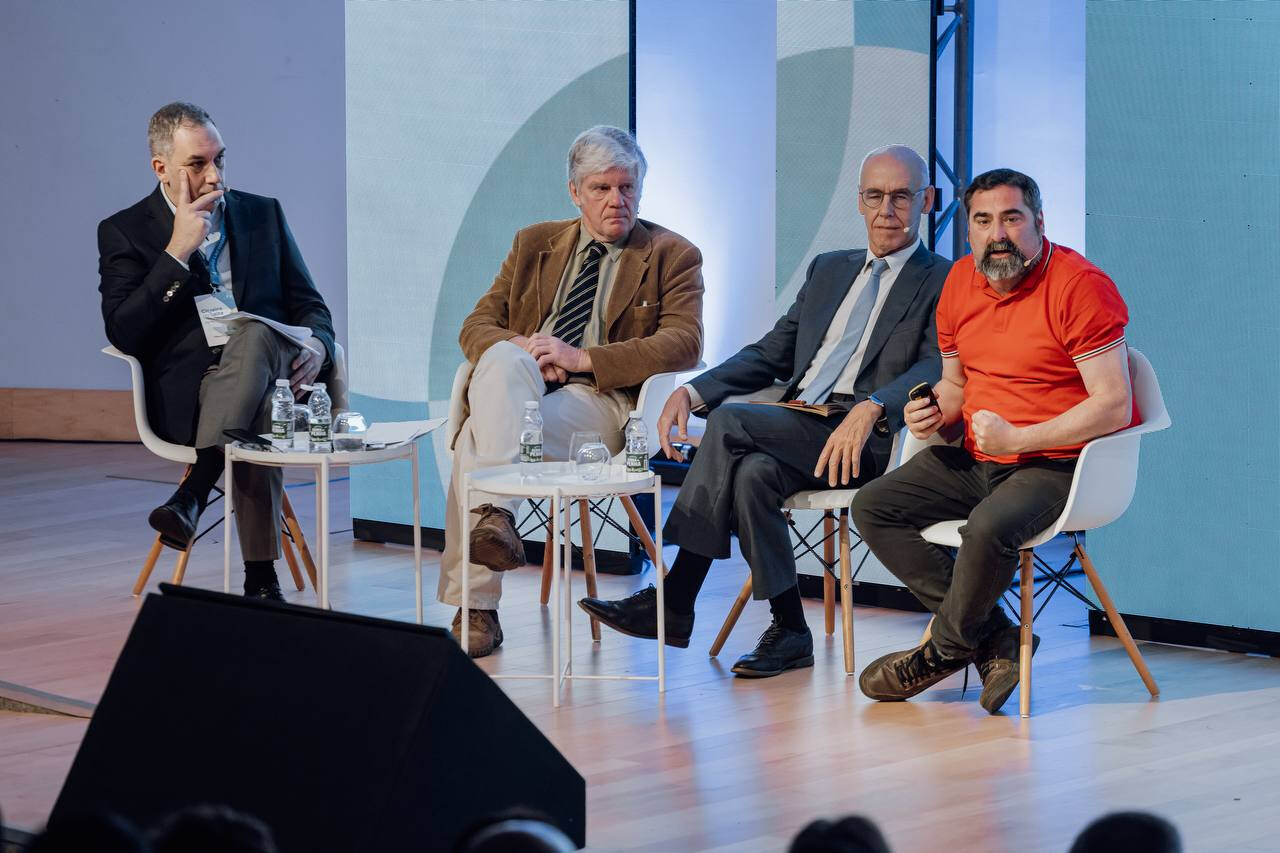 1st Panel – Origin and Sustainability – Nurturing our roots
The first panel of the Summit brought together Humberto Delgado Rosa, former Director for Biodiversity at the European Commission; Antoni Dalmau, Senior Researcher in Animal Welfare and Behaviour at IRTA; and George Stilwell, veterinarian and Associate Professor at the Faculty of Veterinary Medicine of UL.
Moderated by Fernando Cardoso, Executive Director of Proleite, this panel deconstructed the simplistic view of livestock farming as a problem and highlighted its regenerative potential.
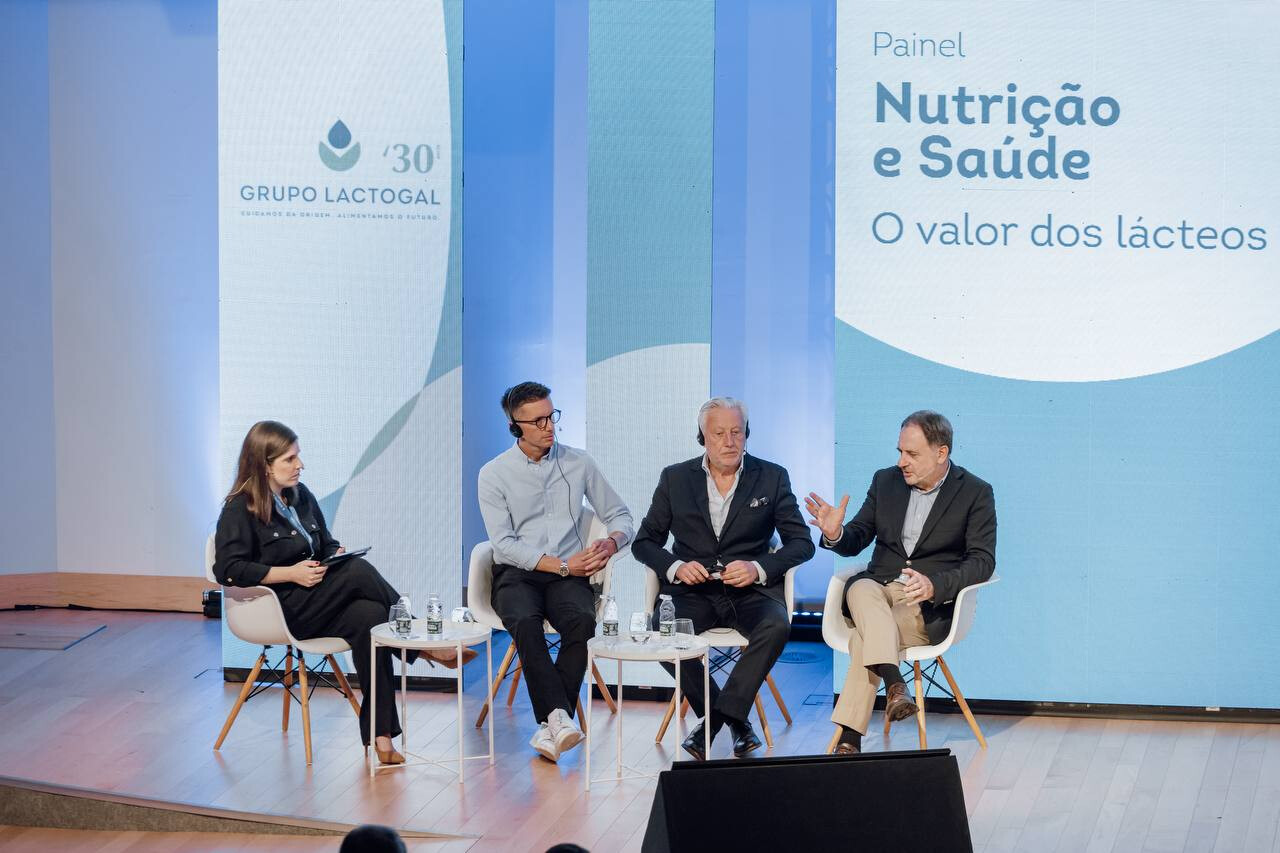 2nd Panel – Nutrition and Health – The value of dairy
A panel that highlighted that Science reinforces the value of Dairy products.
“Science today is clear: saturated fat from dairy products is not associated with cardiovascular diseases. What matters is the food matrix. Foods such as yoghurt and cheese are, in fact, associated with a longer life and a lower risk of heart disease, stroke and cancer,” assured Arne Astrup, consultant in Medical Nutrition at Copenhagen University Hospital, a world reference in the field.
“Dairy products contribute almost half of the calcium and, in children, almost 60% of the iodine in the Portuguese diet. This is crucial in a country where 60% of women do not reach the recommended calcium intake,” highlighted Nuno Borges, nutritionist and Professor at the Faculty of Nutrition and Food Sciences of UP.
Looking towards the future of functional nutrition, Richard Day, Vice-President of ADM Health & Wellness, highlighted the importance of postbiotics, “inactivated microorganisms that maintain their health benefits with the crucial advantage of stability”, as an innovation that makes it possible to enrich products such as milk with new functionalities for digestive and immune health.
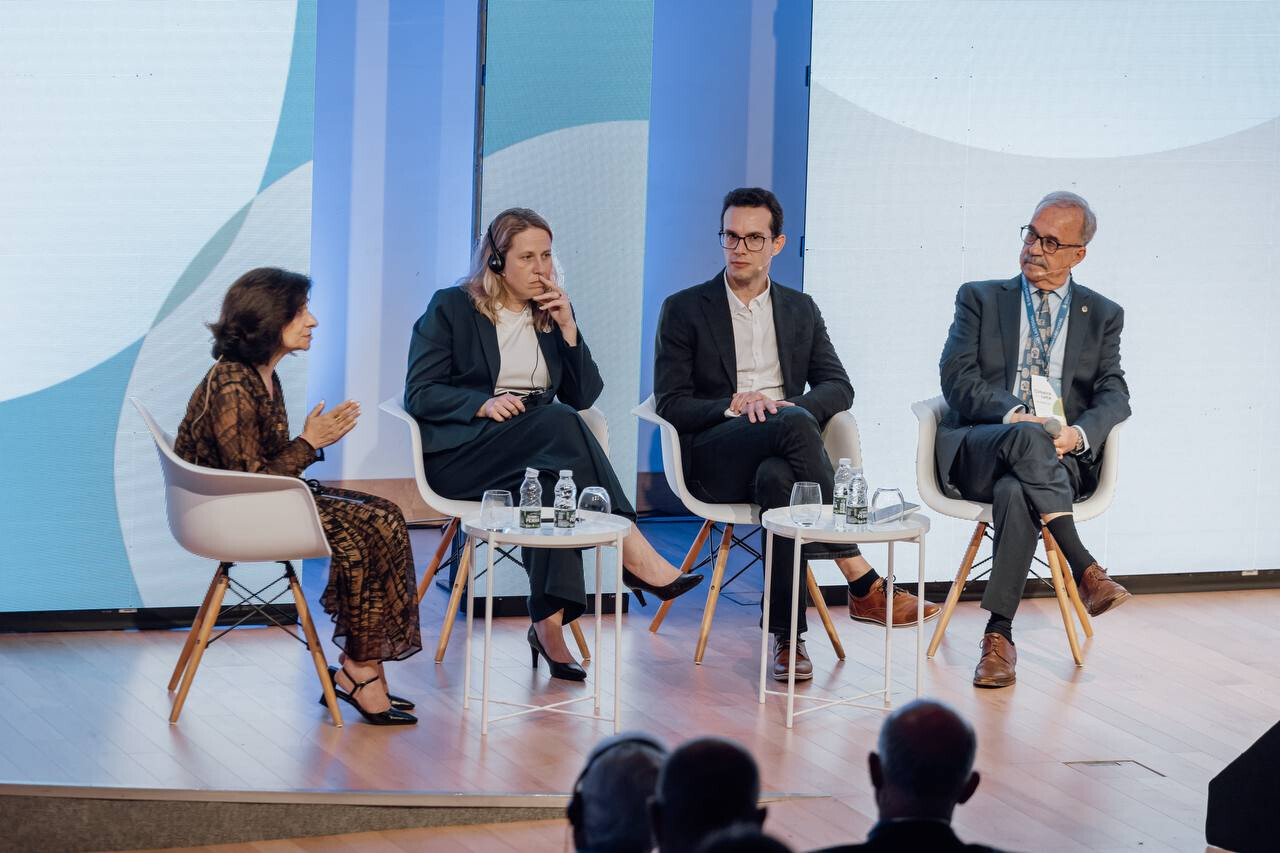 3rd Panel – Technology and Innovation – Nourishing the future
Moderated by Manuela Pintado, Full Professor and Associate Director of the School of Biotechnology of the Portuguese Catholic University, the final panel demonstrated how science is expanding the frontiers of the sector.
Miguel Cerqueira, Researcher at the International Iberian Nanotechnology Laboratory, revealed how nanotechnology, inspired by the structures of milk itself, makes it possible to create higher-value ingredients and develop biodegradable packaging.
Along the same lines, Juan Lema, Emeritus Professor of Chemical Engineering at the University of Santiago de Compostela, presented technological solutions to transform industry effluents into a source of value, detailing processes that generate biogas and other by-products.
Laurence Rycken, Director General of the International Dairy Federation, brought a more global perspective and underlined the importance of “harmonised, science-based global standards” that enable the sector to respond consistently to future challenges.
“Your work has allowed Portugal to be recently considered a world leader with regard to food resilience. We are not always aware of the quality and accessibility of our products. It is essential to continue supporting the sector, because agriculture means competitiveness, innovation and sustainability,” concluded the Minister of Agriculture, José Manuel Fernandes, reinforcing the vital role of the sector for the country.
Held at Super Bock Arena, the Milk Summit concluded that the sector is prepared to lead through scientific advances that challenge nutritional dogmas, technologies that promote a true circular economy and an approach to sustainability that integrates environmental, economic and social well-being.
It ended with a call for transformation and collaboration in order to shape a sustainable and innovative future for the dairy sector.