
Grupo Lactogal launches pilot project on Graciosa Island to transform the value of Azorean milk
3 min read

Through Pronicol and Unicol (the Cooperative Union of Terceira and Graciosa Islands), Grupo Lactogal has launched a pioneering pilot project designed to fundamentally transform the way milk is valued and remunerated on Graciosa Island.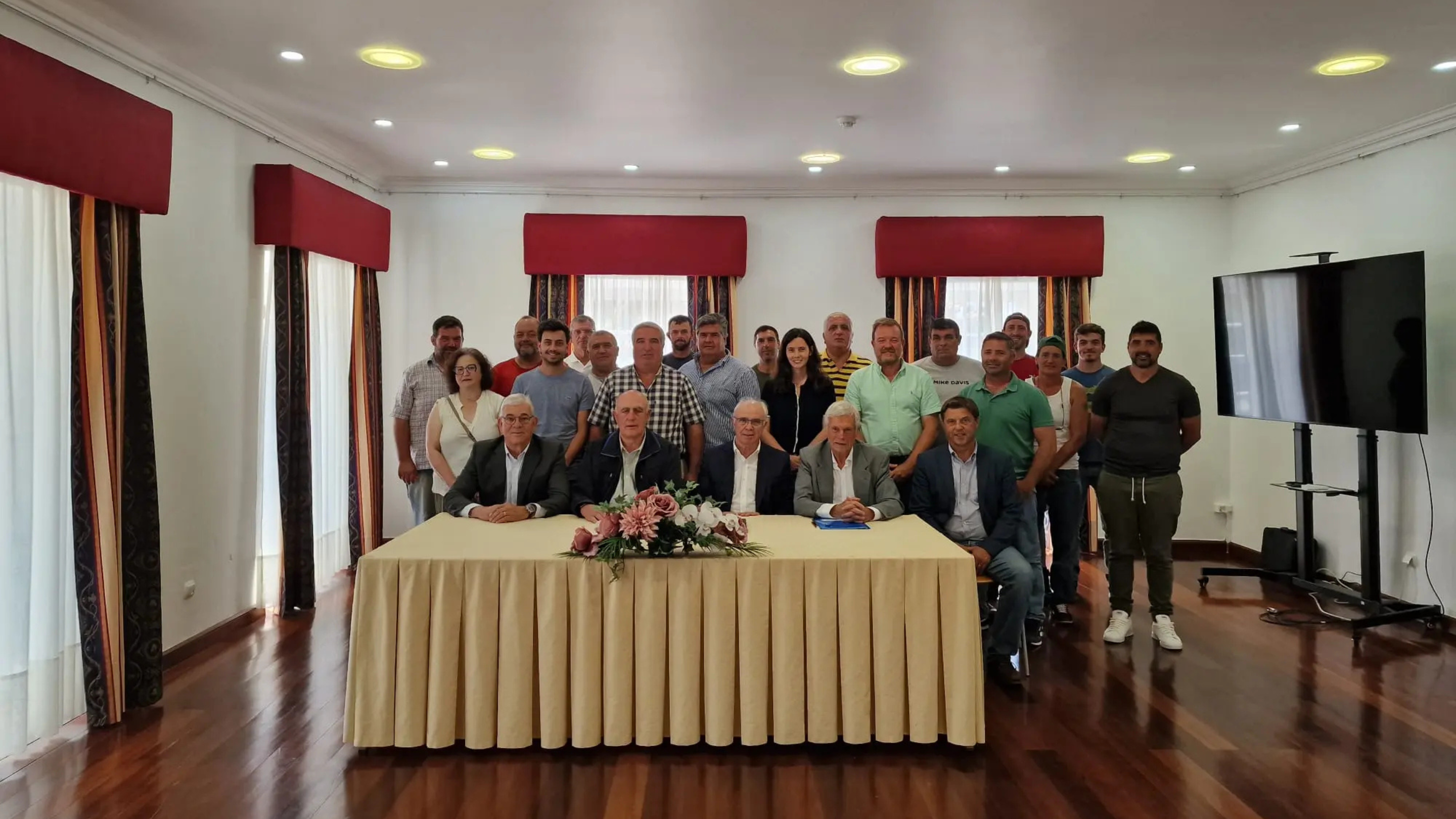 Starting today, and for the first time in the Azores, raw milk will no longer be paid for solely based on the volume delivered. Instead, its value will be determined according to its intended industrial use—in this case, the production of Milhafre dos Açores Ilha Graciosa cheese.
Running over four years (2026–2030), the initiative introduces a payment model that shifts producer remuneration away from volume alone and directly rewards the concentration of milk solids (protein and fat), which determine the actual cheese yield.
This model, which could eventually be replicated in other regions across the Iberian Peninsula, will also support the development of dairy farms through veterinary, nutritional and herd management services funded by Grupo Lactogal.
Producers who voluntarily join the programme will receive, in addition to the recalibrated base price, the Milhafre Bonus (a fixed premium of +€0.01/kg), as well as access to digital tools, training and technical support for their farming operations.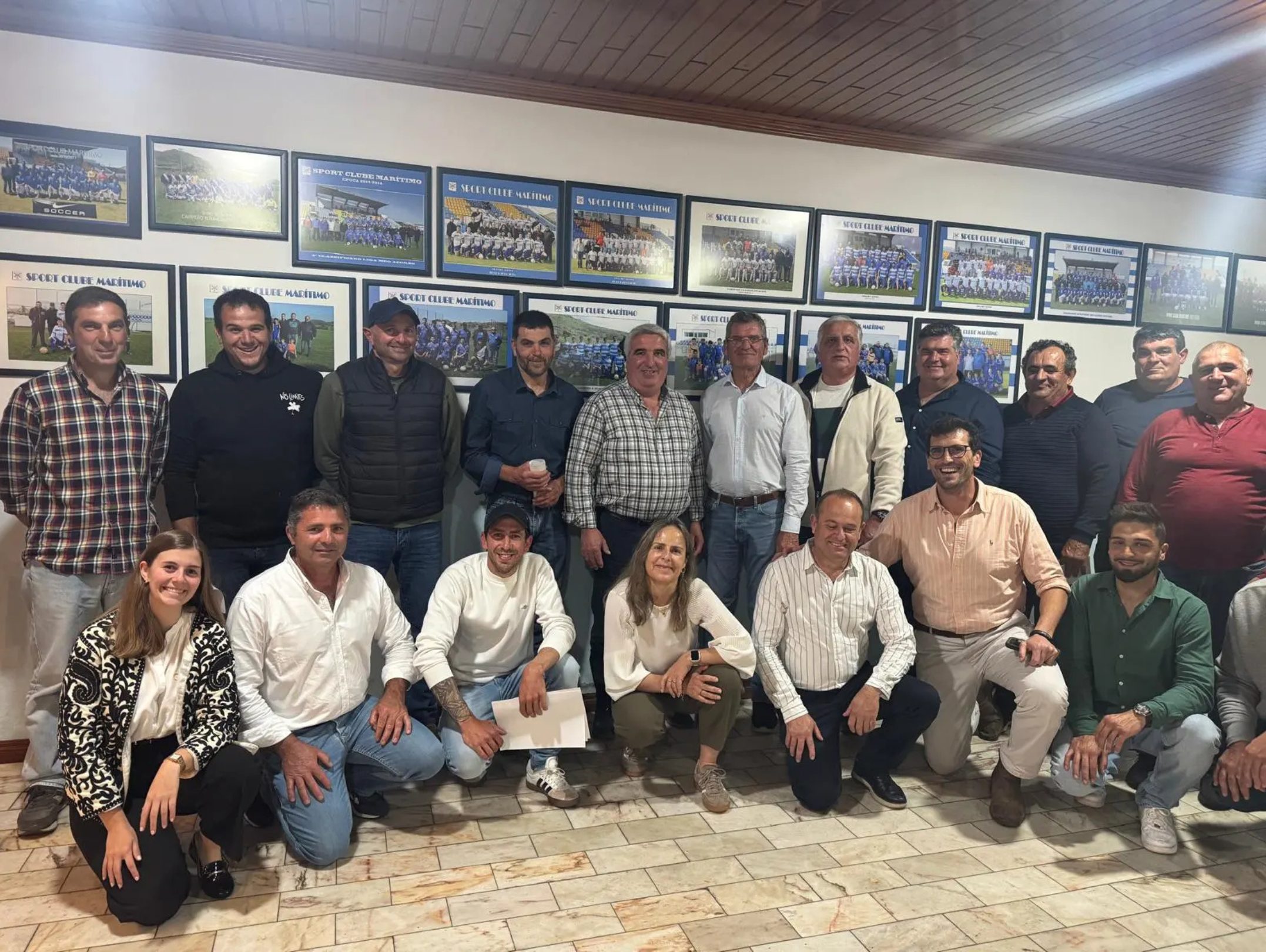 An alliance for the future of the Azores
The project aims to secure the future of milk production on Graciosa Island by creating a more profitable and attractive business model that encourages younger generations to remain in dairy farming.
Its goal is to drive a new cycle of sustainability for the sector, helping to reverse the current trend of farm closures and conversion to other activities.
Graciosa Island was strategically selected for the launch of the pilot due to its manageable scale, strong cheesemaking tradition and the close relationship between local milk producers, the cooperative and Pronicol's processing facility.
"As we celebrate our 30th anniversary, we are reaffirming our commitment to the Azores through tangible actions. The future of Azorean milk does not lie in competing with Europe on volume, but in leading through added value, sustainability and the pride of the communities that produce it. Graciosa is the starting point for this transformation," said José Marques. Looking ahead to the Iberian Peninsula
Although the project begins on Graciosa as an initiative rooted in local identity and small-scale production, the ambition of Grupo Lactogal and its partners extends well beyond the island.
Graciosa will serve as a true laboratory for territorial innovation and sustainability.
Should the model prove successful in improving farmers' profitability and enhancing milk quality for cheese production, Grupo Lactogal plans to replicate and expand this value-based approach to other areas of the Azores and, ultimately, to other regions across the Iberian Peninsula.